

Table of Contents
Dubai has transcended its role as a mere transit point to become the definitive command center for the global maritime industry. For vessel owners and operators, selecting a ship management company in Dubai is no longer just a logistical choice; it is a high-stakes strategic partnership. Situated at the crossroads of the world’s most vital trade lanes, Dubai offers a unique regulatory and operational environment that empowers ship managers to optimize vessel performance with surgical precision.
As an experienced maritime strategist, I have witnessed the transition of Dubai into a “Grade A” maritime hub. In 2026, ship management here is defined by hyper-connectivity, a “digital-first” approach to maintenance, and an unwavering commitment to international safety standards. Whether you are managing a fleet of tankers, bulk carriers, or specialized offshore vessels, the Dubai ecosystem provides the technical expertise and financial transparency required to maintain a competitive edge in a volatile global market.
This guide explores why Dubai is the ultimate destination for vessel oversight and how a professional ship management partner can transform your maritime assets.

The “special” status of Dubai in the maritime sector is rooted in a culture that treats shipping not just as an industry, but as its historical lifeblood.
Dubai’s marine culture is a sophisticated blend of traditional seafaring heritage and futuristic infrastructure. From the historic dhow wharves of the Creek to the staggering scale of DP World’s Jebel Ali Port, the city breathes maritime commerce. For a ship management firm, this means immediate access to a massive pool of specialized talent and a regulatory body (the Dubai Maritime Authority) that prioritizes efficiency and innovation.
The “scenery” for a ship manager in Dubai is one of relentless activity. Dubai Maritime City (DMC), a specialized hub between Port Rashid and the Dubai Drydocks, serves as a dedicated cluster for maritime services. Here, you will find the world’s leading technical managers, marine engineers, and classification societies all within a few square kilometers. This density of expertise allows for rapid decision-making and physical vessel turnarounds that are unmatched in other global hubs.
In ship management, “timing” refers to the optimization of maintenance schedules and the management of crew rotations in relation to regional conditions.
- The Technical Window (October to April): This is the “best time” for on-deck technical maintenance and hull inspections. The milder UAE winter allows for outdoor work to proceed without the extreme heat stress of the summer months, ensuring higher quality repairs and better safety outcomes for the crew.
- The Dry-Docking Season: Most owners coordinate their dry-docking at Drydocks World during the shoulder seasons. While the facility operates 24/7 year-round, planning major overhauls during the first half of the year often provides better alignment with global chartering cycles.
- Summer Logistics: During the peak summer (June to August), ship managers focus heavily on HVAC system integrity and engine cooling efficiency, as the high salinity and temperature of the Arabian Gulf water place unique demands on vessel machinery.
A successful management partnership follows a structured “itinerary” or service model. Depending on your needs, a ship management company in Dubai typically offers three primary pathways:
This is the “All-Inclusive” itinerary. The management company takes full responsibility for the vessel’s seaworthiness, including:
- Scheduled maintenance (Planned Maintenance Systems).
- Dry-docking supervision and dry-store procurement.
- Compliance with IMO (International Maritime Organization) and Flag State regulations.
A specialized itinerary focusing on the human element. Dubai’s connectivity makes it an ideal hub for crew changes. Ship managers handle recruitment, payroll, P&I (Protection and Indemnity) insurance, and continuous training in STCW (Standards of Training, Certification, and Watchkeeping).
This involves the “business” side of the ship. It includes voyage accounting, chartering support, and bunker (fuel) procurement. By leveraging Dubai’s status as a financial hub, ship managers can optimize tax structures and currency exchanges to improve the vessel’s daily “Time Charter Equivalent” (TCE) rates.
Managing a vessel in the Middle East requires a deep understanding of the local environment.
- Sea Conditions: The Arabian Gulf is relatively shallow and can experience “Shamal” winds, which create short, choppy seas. A Dubai-based ship manager is expert at advising captains on trim and stability specifically for these regional waters.
- Bunker Hub Status: Dubai (specifically the neighboring Port of Fujairah) is one of the world’s top three bunkering hubs. A ship management company in Dubai can secure high-quality, compliant fuel (VLSFO/LNG) at competitive prices, significantly reducing the vessel’s primary operating cost.
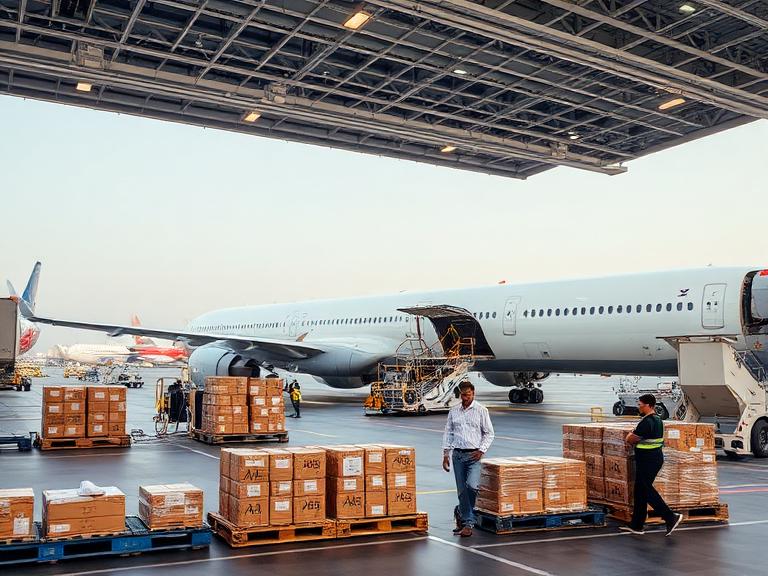
- Infrastructure Synergy: The integration of the Dubai Logistics Corridor means that critical spare parts—whether they are sourced from Germany or Singapore—can be air-freighted to DXB and delivered to a vessel in Jebel Ali or DMC in a matter of hours, reducing “Off-Hire” time.
Safety is the non-negotiable cornerstone of ship management. Dubai enforces a rigorous compliance framework.
- DMA Compliance: The Dubai Maritime Authority ensures all vessels in UAE waters adhere to strict environmental and safety codes. This includes the “Green Port” initiative, which encourages lower emissions.
- Cybersecurity in Shipping: In 2026, ship management companies in Dubai lead the way in protecting vessels from maritime cyber-threats. Integrated satellite systems are now standard, ensuring that navigation and engine data are encrypted and monitored 24/7.
- The MLC 2006 Standard: Dubai managers are strictly audited for compliance with the Maritime Labour Convention, ensuring that crew welfare, food quality, and rest hours are maintained at the highest international levels.
Ship management pricing is generally structured as a daily “Management Fee” per vessel, which covers the manager’s overhead and expertise.
| Vessel Type | Daily Management Fee (Est. 2026) | Service Scope |
| Small Utility/Offshore | $350 – $600 | Technical + Basic Crewing |
| Handysize/Panamax Bulk | $650 – $900 | Full Technical + Global Crewing |
| VLCC / LNG Carrier | $1,000 – $1,500+ | Specialized Technical + High-Spec Crew |
Note: These fees exclude the actual “Operating Expenses” (OPEX) such as fuel, crew wages, and spare parts, which are managed via a transparent pre-funded budget.
1. What is the main benefit of hiring a ship management company in Dubai?
The primary benefit is the strategic location and the ability to leverage Dubai’s vast maritime ecosystem, including top-tier drydocks, bunkering facilities, and a pro-business regulatory environment.
2. Does a ship manager handle insurance?
Yes. A professional manager coordinates with P&I Clubs and Hull & Machinery (H&M) underwriters to ensure the vessel has comprehensive coverage at optimized premiums.
3. Can a Dubai company manage vessels flagged in other countries?
Absolutely. Most vessels managed in Dubai are flagged in “Open Registries” such as Liberia, Panama, or the Marshall Islands.
4. How does the “Planned Maintenance System” (PMS) work?
It is a digital software suite used by the manager to track every pump, motor, and sensor on the ship, ensuring parts are replaced before they fail to avoid costly breakdowns.
5. Is crew welfare a priority in Dubai?
Yes. High-tier Dubai managers adhere to the Maritime Labour Convention (MLC), providing excellent communication facilities, healthcare, and rotation cycles for the crew.
6. What is “Off-Hire” time?
This is any period during which a vessel is not earning money (e.g., during repairs). A ship manager’s goal is to keep “Off-Hire” time as close to zero as possible.
7. Do managers handle fuel (Bunkering)?
Yes, they monitor fuel consumption and manage the procurement of compliant fuels to meet IMO 2020/2025 emission standards.
8. Can I get real-time data on my vessel?
Most modern Dubai managers provide owners with a “Dashboard” app, showing live GPS location, fuel levels, and technical status.
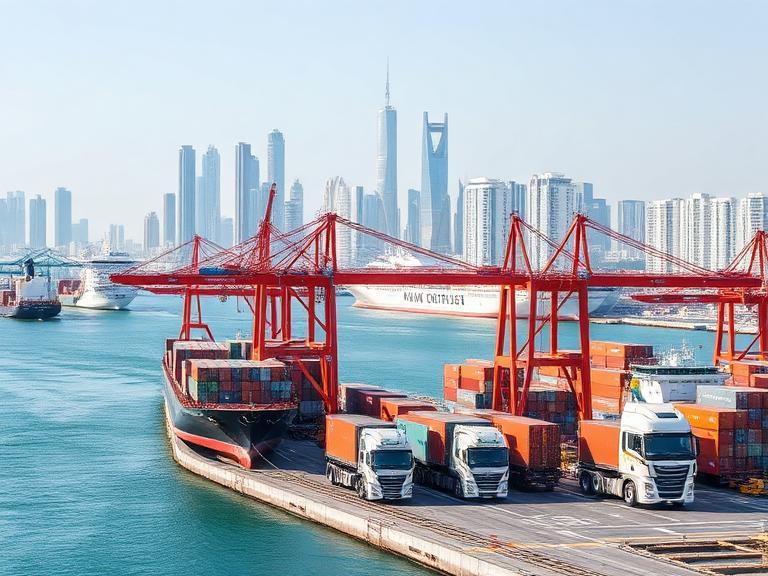
The role of a ship management company in Dubai has evolved into that of a high-tech strategic partner. By combining the city’s unparalleled maritime infrastructure with global technical standards, these firms provide vessel owners with a “Safe Harbor” for their investments. In an era of shifting environmental regulations and digital transformation, having a commander on the ground in Dubai is the most effective way to ensure your fleet remains profitable, compliant, and ready for the future.
At Nautical Gulf, we represent the pinnacle of this Dubai maritime spirit. We don’t just manage ships; we safeguard the lifelines of global trade.
Would you like a technical audit of your fleet’s current OPEX or a proposal for technical management? Contact our Dubai maritime desk today.
