
Table of Contents
RoRo shipping in Dubai (Roll-on/Roll-off) is a widely used method for transporting vehicles internationally by driving them directly onto specialized vessels designed for wheeled cargo. It is commonly used for standard, operational cars being exported from Dubai to regions such as Africa, Europe, and the Middle East. The process includes vehicle preparation, export documentation, port handling, vessel loading, and destination clearance. In Dubai, logistics providers such as Nautical Gulf handle vehicle and cargo shipping across regional and international routes by coordinating documentation, port entry, shipping line requirements, and delivery milestones. For exporters, reliability depends on accurate paperwork, compliance with port procedures, and selecting routes that support RoRo operations.

Shipping companies in Dubai provide RoRo services as part of broader vehicle logistics and freight solutions.
- International car shipping via RoRo vessels
- Port-to-port vehicle transport
- Export documentation coordination
- Vehicle delivery to RoRo terminals
- Shipping line booking and scheduling
- Inland transport within Dubai to port terminals
- Vehicle inspection coordination
- Export certificate and deregistration support
- Documentation alignment with carrier requirements
- Insurance facilitation (optional)
- Destination agent coordination
- Multi-vehicle shipment handling for dealers
RoRo shipping is structured as a logistics process rather than a simple transport booking.
Dubai has established itself as a major hub for RoRo vehicle exports due to its strategic and operational advantages.
Dubai connects efficiently to:
- Africa (East and West coasts)
- GCC countries
- Europe via major shipping lanes
- South Asia
Dubai ports support:
- dedicated RoRo terminals
- high-capacity vehicle handling
- integration with shipping lines operating RoRo vessels
Dubai is a major re-export center for vehicles, including:
- used cars
- new vehicles from dealerships
- fleet exports
This volume supports frequent RoRo vessel availability.
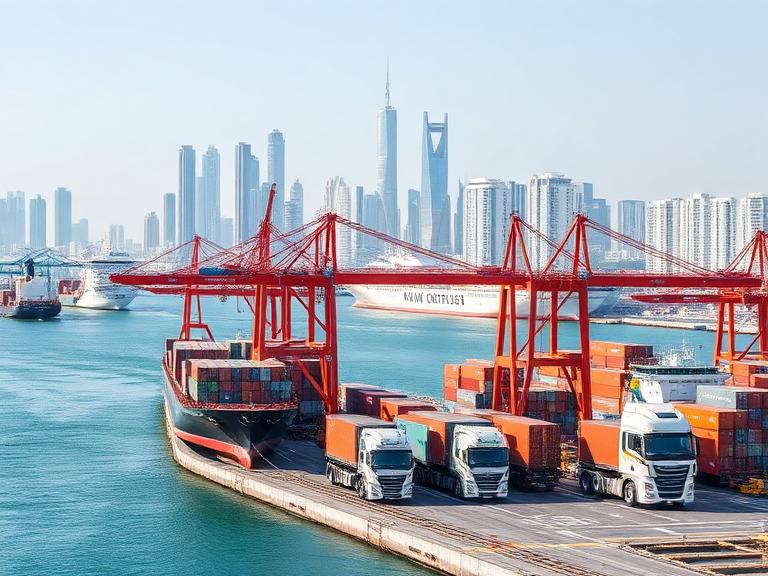
RoRo shipping stands for Roll-on/Roll-off, referring to how vehicles are loaded and unloaded.
The exporter selects:
- destination port
- shipping schedule
- vehicle eligibility for RoRo
Preparation includes:
- cleaning the vehicle
- ensuring it is operational
- reducing fuel to acceptable levels
- removing all personal belongings
The vehicle is delivered to:
- designated port yard or terminal
At this stage:
- VIN is verified
- documentation is checked
- vehicle condition may be recorded
Vehicles undergo:
- security checks
- compliance verification
- carrier acceptance procedures
The vehicle is:
- driven onto the ship
- parked in assigned deck space
- secured using ship-specific systems
Vehicles are transported inside enclosed decks of the vessel.
At destination:
- vehicles are driven off the vessel
- handed over for customs clearance
RoRo shipping is suitable for a wide range of vehicles.
- passenger cars
- SUVs
- vans
- pickup trucks
- buses
- trucks
- construction equipment (depending on vessel capability)
- vehicle must be operational
- able to be driven safely
- comply with shipping line standards
RoRo shipping offers several operational benefits.
Vehicles are driven directly onto vessels, reducing handling complexity.
RoRo is often more economical compared to container shipping for standard vehicles.
Suitable for:
- dealerships
- bulk exporters
- fleet shipments
RoRo vessels are optimized for quick loading and unloading.
Dubai has consistent RoRo routes to:
- Africa
- GCC countries
- Europe
While efficient, RoRo shipping has limitations.
Vehicles must be empty due to:
- safety regulations
- customs rules
Vehicles are:
- driven multiple times
- handled by port operators
RoRo requires operational vehicles.
Vehicles are inside the vessel but not individually enclosed.
Choosing between RoRo and container shipping depends on the shipment profile.
- operational vehicles only
- cost-efficient
- faster handling at ports
- enclosed protection
- suitable for non-running vehicles
- allows controlled loading
- vehicle value
- operational status
- destination port facilities
- risk tolerance
Accurate documentation is essential.
- vehicle registration card
- export certificate/deregistration
- Emirates ID or passport
- booking confirmation
- shipping instructions
- bill of lading
- import permits
- inspection certificates
- tax and duty documentation
Mismatch in documentation can delay shipment or clearance.
RoRo shipping involves coordination with multiple entities.
- vehicle deregistration
- export documentation submission
- port entry authorization
- vehicle inspection
- acceptance by shipping line
- allocation to vessel
Customs processes are:
- regulated by authorities
- dependent on documentation accuracy
Shipping time varies based on operational factors.
- vessel schedules
- route distance
- port congestion
- documentation readiness
- destination clearance speed
Reliable providers give:
- estimated timelines
- milestone tracking
- updates on delays
Several variables influence costs.
- vehicle size and type
- destination port
- shipping route
- port handling charges
- documentation requirements
Choosing based only on price may lead to:
- poor coordination
- delays
- additional charges later
- pre-shipment inspection
- photographic records
- condition reporting
- fuel limits
- battery condition
- no leakage
- proper documentation
- choosing experienced providers
- understanding process limitations
Understanding vessel operations and port handling is essential.
Errors can cause shipment rejection or delays.
Access to reliable carriers ensures better scheduling options.
Providers should offer:
- shipment updates
- documentation guidance
- milestone tracking
Understanding import rules helps avoid clearance issues.
This can lead to shipment rejection.
Causes delays at both origin and destination.
Not all ports accept RoRo shipments.
Destination rules may restrict vehicle types.
Nautical Gulf handles RoRo shipping through a structured logistics approach.
- booking alignment with shipping lines
- documentation verification
- port handling coordination
- accurate export documentation
- adherence to carrier requirements
- coordination with port systems
- familiarity with port operations
- understanding of export workflows
- alignment with shipping schedules
- from vehicle intake to vessel loading
- coordination through shipment lifecycle
- relocating vehicles internationally
- exporting vehicles in bulk
- moving operational vehicles across regions
- re-exporting vehicles to international markets
Which is the best RoRo shipping company in Dubai?
The best provider depends on your destination, vehicle type, and documentation needs. Look for companies with strong port experience and compliance processes.
How does RoRo shipping from Dubai work?
Vehicles are driven onto specialized vessels, secured for transport, and driven off at the destination port after transit.
Is RoRo shipping safe for cars?
RoRo is widely used and reliable when proper documentation, inspection, and handling procedures are followed.
Can I ship personal items inside my car with RoRo?
No, personal items are generally not allowed due to safety and customs regulations.
What documents are required for RoRo shipping in Dubai?
Typical documents include vehicle ownership proof, export certificate, ID documents, and shipping documents like the bill of lading.
How long does RoRo shipping from Dubai take?
Transit time depends on route, vessel schedule, and customs clearance at destination.
Can I ship a non-running car via RoRo?
No, vehicles must be operational to be driven onto the vessel.
What is the difference between RoRo and container shipping?
RoRo involves driving vehicles onto ships, while container shipping places vehicles inside sealed containers.
Which countries support RoRo shipping from Dubai?
Many countries in Africa, Europe, and the Middle East support RoRo, depending on port infrastructure.
Do shipping companies handle customs clearance?
They coordinate documentation, but customs clearance is subject to regulatory authorities.
What affects RoRo shipping costs?
Factors include vehicle size, destination, route, and port charges.
Is RoRo suitable for luxury cars?
It can be used, but container shipping is often preferred for higher-value vehicles.
