
Table of Contents
Digital parenting in the UK is evolving faster than ever. Between managing school calendars, custody arrangements, and emotional health, modern families increasingly depend on parenting apps — but one recurring question dominates online searches:
“Are free parenting apps enough, or do subscription-based apps really offer better value?”
This guide gives a real-world comparison between free and paid parenting apps in the UK (2025) using insights from parents, tech analysts, and in-app data.
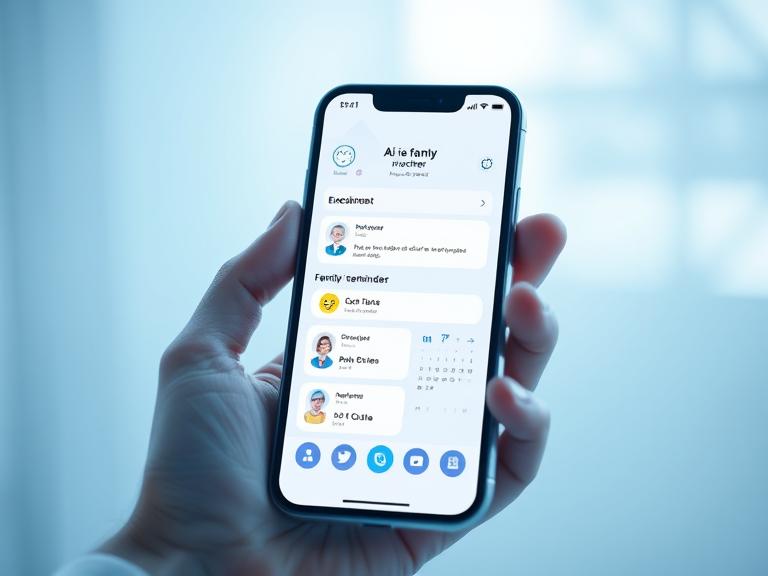
The UK now hosts over 60+ active parenting platforms, from simple family calendars to AI-powered emotional wellness tools.
According to Statista’s 2025 Family Tech Report, British parents spend an average of £5–£10 per month on digital family tools — a small price for mental relief but a growing expense for multi-child families.
- 71% of parents prefer hybrid models (free core + paid upgrade).
- 54% say AI and emotional tracking features justify small subscription costs.
- 36% still rely solely on free tools, citing simplicity and privacy.
These numbers reveal one clear insight:
Value and emotional design now matter more than pure price.
Type: Free forever
Use case: Gamified family tasks & rewards
OurHome remains the UK’s most popular free family management app, especially among parents with children under 12.
It uses a points and reward system to encourage kids to complete chores and responsibilities.

Features:
- Task scheduling
- Star-based motivation for kids
- Family chat board
- Shopping lists
Best For: Parents who want simplicity and teamwork.
Limitations: Lacks emotional insights or shared custody tools.
“My kids treat chores like a game now — no arguments!” — Megan P., Glasgow
Type: Freemium
Focus: Family scheduling and list management
Cozi’s free tier includes a shared calendar, grocery list, and reminders — ideal for two-parent households.
Its clean interface and cross-device sync make it a top pick for everyday planning.
Best For: Families wanting easy coordination without extra AI tools.
Limitations: Ads can be intrusive; AI features only in premium version.
Type: Free (built-in)
Focus: Parental control and digital balance
Google Family Link isn’t a traditional parenting app, but it’s widely used in the UK for screen time management and content safety.
Perfect for parents managing multiple devices and kids’ digital activities.
Pros: 100% free, integrates with Android, strong data security.
Cons: No emotional or routine management tools.
Cost: £4.99/month or £49.99/year
USP: Emotionally intelligent AI parenting assistant
TinyPal’s subscription unlocks behavioural pattern learning, mood recognition, and AI-driven task predictions.
It studies your family rhythm — suggesting when to pause, connect, or delegate tasks.
Why It’s Worth It:
It replaces 3–4 different tools (calendar, tracker, reminder, journal) into one.
Added Value: Localized British parenting guides and GDPR-secured data.
Cost: £6.50/month
USP: Habit tracking + emotional health
Designed around UK-based wellness data, ParentCircle connects mindfulness, emotional wellbeing, and productivity.
It’s also integrated with NHS-licensed parenting resources, making it a trusted choice for British families.
Free vs Paid Difference:
The free plan offers daily tips; the paid plan adds mood analytics, voice journaling, and shared reports.

Cost: £8.99/month
Focus: Co-parenting communication and custody clarity
A legal-friendly app built for divorced or separated parents.
Premium features include:
- Documented messaging (court-admissible)
- Shared expenses tracker
- Visitation scheduling
- Neutral tone filter (reduces emotionally charged text)
Worth It?
Yes, for families navigating custody or child support coordination.
| Feature | Free Apps | Subscription Apps |
|---|---|---|
| Cost | £0 | £3–£9/month |
| Family Calendar | ✅ | ✅ |
| Child Rewards & Chores | ✅ | ✅ |
| AI Insights | ❌ | ✅ |
| Emotional Health Tools | ❌ | ✅ |
| Legal Support / Co-parenting | ❌ | ✅ |
| Ad-Free Experience | ❌ | ✅ |
| Custom Reports | ❌ | ✅ |
| Offline Mode | Partial | Full |
| GDPR Data Control | ✅ | ✅ (Enhanced Transparency) |
Result:
If your family only needs basic coordination, free apps are enough.
But if emotional wellness, AI scheduling, or custody clarity are key — subscriptions deliver measurable value.
- Identify your needs — co-parenting, time tracking, wellness, or behaviour analytics.
- Set your comfort level with digital data (GDPR is strong in the UK).
- Test the free trial before committing to subscriptions.
- Prioritize emotional UX over feature overload — simple designs win long term.
- AI-driven empathy: Next-gen parenting apps are learning emotional tones.
- Privacy-first ecosystems: British parents now demand visible GDPR dashboards.
- Subscription saturation: Many apps are shifting toward value-based pricing (bundling child education + wellness).
- Voice-based AI: Hands-free parenting interfaces (Alexa, Google Assistant) are trending.
“TinyPal changed how we plan weekends — it even learns when the kids get restless.” — Rebecca J., Manchester
“Cozi keeps us synced. I don’t need another paid app; this does the job.” — Owen T., Brighton
“FamLink’s neutral message filter literally saved us from arguments.” — Sarah K., Birmingham

| Family Type | Recommendation |
|---|---|
| Single Parents | FamLink Pro |
| Working Couples | TinyPal Premium |
| Families with Kids Under 10 | OurHome (Free) |
| Mental Wellness Focused | ParentCircle Premium |
| Traditional Household | Cozi (Free) |
Start with a free version, but evaluate after 30 days.
If you find yourself using emotional trackers or behaviour analytics daily, the paid version will pay back its cost in time saved and reduced stress.
- Free parenting apps handle basic logistics; paid apps handle emotional and behavioural depth.
- AI personalization in 2025 makes paid apps more intuitive than ever.
- Always evaluate data privacy, not just cost.
- Hybrid usage (one free + one paid tool) works best for British families.
