
Table of Contents
The modern yogi in Chennai faces a unique dilemma: the convenience of a digital screen or the tactile energy of a physical studio? Both paths offer a journey toward wellness, but they serve different needs, lifestyles, and stages of your practice.
Whether you are navigating the busy morning traffic in T. Nagar or trying to squeeze in a flow between work meetings in OMR, your environment dictates your results. Let’s break down the nuance between virtual flows and in-person guidance.
| Feature | Online Yoga Classes | Offline (Studio) Yoga |
| Convenience | High (Practice from home) | Low (Requires travel time) |
| Personalization | Limited (Remote feedback) | High (Hands-on adjustments) |
| Community | Virtual / Global | Local / Tangible |
| Cost | Generally lower | Higher (Studio overhead) |
| Focus | Self-directed | Teacher-directed |
Before you commit your time and money, consider your personal requirements. A “good” class is one that keeps you coming back to your mat, not the one that looks best on paper.
- Assess Your Discipline: Do you thrive on self-motivation, or do you need a teacher’s presence to push you?
- Evaluate Your Schedule: If your commute in Chennai is a major source of stress, offline classes might inadvertently add to your burnout.
- Define Your Goals: Are you rehabbing an injury? Offline classes are safer. Are you looking for a daily 20-minute movement habit? Online is your winner.
Online yoga has democratized wellness. It allows you to practice with world-class teachers regardless of your location. It is the ultimate tool for those with unpredictable schedules.
- Pros: Unlimited variety, no commute, and the ability to practice in your pajamas. Great for those who are shy or self-conscious.
- Cons: Lack of physical adjustments can lead to misalignment. There is also a higher risk of “distracted practice” (checking emails mid-flow).
Ideal for intermediate students who know their limits, travelers, or busy professionals who need to practice at 5:00 AM or 10:00 PM when studios are closed.
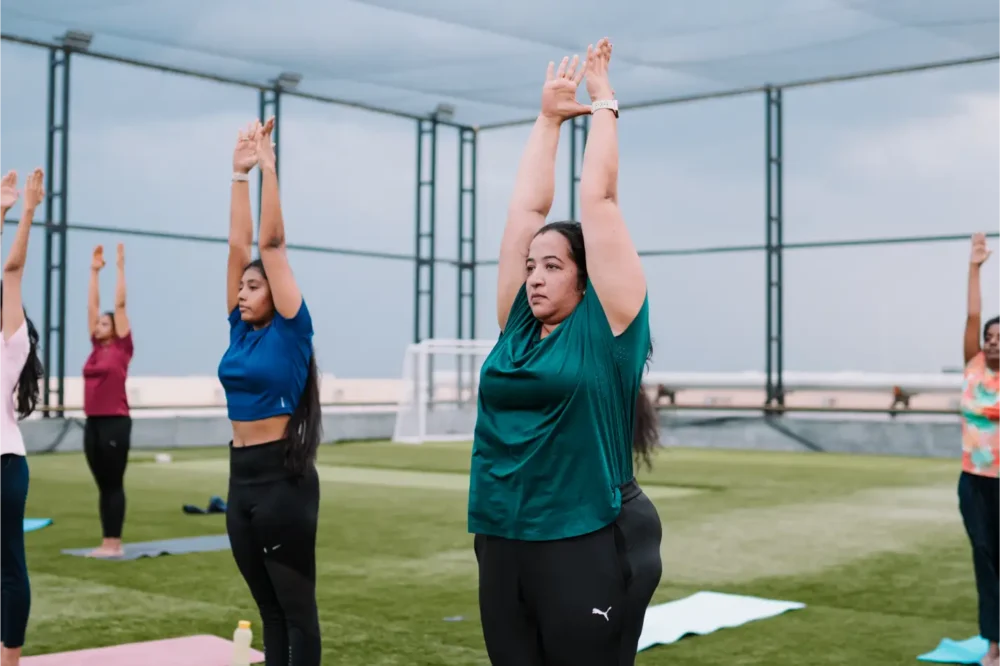
Nothing truly replicates the “Kula” (community) of a physical yoga studio. In Chennai, many studios have become centers for social connection as much as physical fitness.
- Pros: Hands-on adjustments prevent injury, the environment is dedicated to focus, and the shared energy of a group can be profoundly motivating.
- Cons: Fixed timings that may conflict with Chennai’s traffic patterns; higher financial investment.
Essential for beginners who need to learn proper form. Also highly recommended for those dealing with chronic stress who need a physical “sanctuary” that is separate from their home office.
Scenario 1: The New Parent in Adyar
A new parent has a 45-minute window while the baby naps. Driving to a studio and back is impossible. They utilize a pre-recorded online yoga session. The flexibility allows them to integrate wellness into their day without the logistical nightmare of leaving the house.
Scenario 2: The Senior Practitioner in Mylapore
A retired individual wants to maintain joint mobility. They attend an offline, local morning class. The social interaction at the studio is as therapeutic as the yoga itself, and the instructor ensures they aren’t straining their knees, providing a safe, supportive environment.
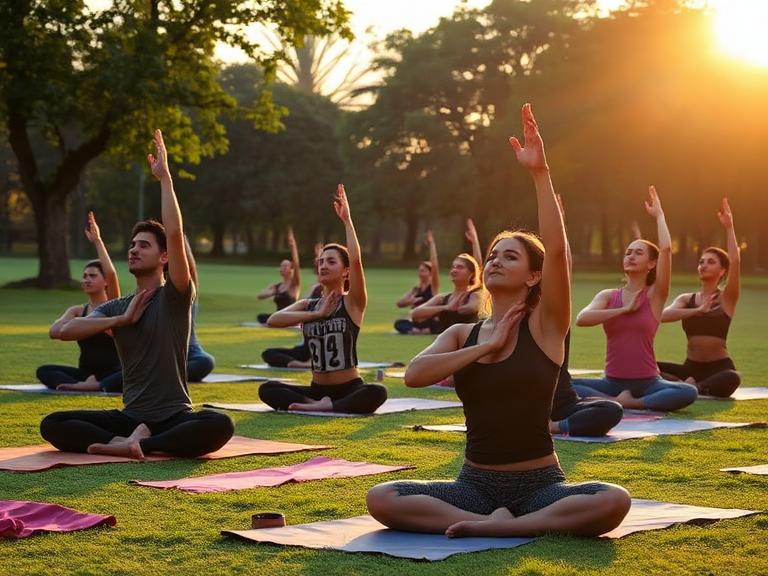
Online yoga often feels “cheaper,” but remember that you are paying for the convenience of avoiding travel. Many apps or live-stream classes are cost-effective but lack the personal accountability of a local instructor.
Offline studio classes include the “social” and “correctional” value. You are paying for the physical space, the equipment, and the instructor’s direct attention. For those with specific health goals, the cost of a studio is essentially an investment in injury prevention.
- Ignoring the “Tech Gap”: Choosing an online class without checking if the instructor offers live feedback. Always prioritize classes that allow for a “check-in” interaction.
- Assuming All Studios are the Same: A Vinyasa flow studio in Nungambakkam is vastly different from a Hatha school. Always attend a trial session before signing a long-term contract.
- The “All or Nothing” Trap: You don’t have to pick just one. Many practitioners do studio sessions twice a week for deep learning, and online flows on the remaining days for movement.
1. Can I get injured practicing online?
Yes, if you lack awareness of your body. Always prioritize classes where the teacher gives verbal alignment cues clearly, and practice in front of a mirror if possible.
2. Is offline yoga better for mental health?
For many, yes. The act of leaving your home and entering a dedicated space helps the brain “switch off” from home stressors, creating a clearer mental boundary.
3. What equipment do I need for online classes?
A non-slip mat, two blocks, and a strap are generally sufficient. Most teachers will show you how to use household items like chairs or books if you don’t have props.
4. How do I know if an online teacher is qualified?
Look for their RYT (Registered Yoga Teacher) certification. Do not rely solely on their follower count.
5. Is offline yoga more expensive?
Generally, yes, due to the physical overhead. However, many Chennai studios offer community-priced classes or multi-class passes to bring costs down.
6. Can I mix both?
Absolutely. In fact, most advanced practitioners use studio sessions for technique and online classes for personal, private practice.

Your practice is a personal journey. Whether it’s via a laptop screen or on a mat in a candle-lit studio, the goal remains the same: inner stillness and physical awareness.
Next Steps:
- Identify your biggest barrier to practice (Is it time? Is it confidence?).
- If it’s confidence, find a local studio in Chennai for 5 offline classes to learn basics.
- If it’s time, subscribe to a trusted online platform.
- Try a “Hybrid Month”—two studio classes, two online flows. See how your body feels!
