
Table of Contents
It starts small: a child refusing to put on their shoes, a simple “No!” to a request. Your patience is already frayed, and the pressure builds until, inevitably, you hear a tone in your own voice that you despise. The yell. You immediately feel guilt, and worse, the yelling usually only escalates the very defiance you were trying to stop.
You are not alone. The need to find positive discipline alternatives to yelling is the #1 emotional challenge faced by parents globally. Yelling is a reactive habit—a desperate attempt to regain control when boundaries have collapsed.

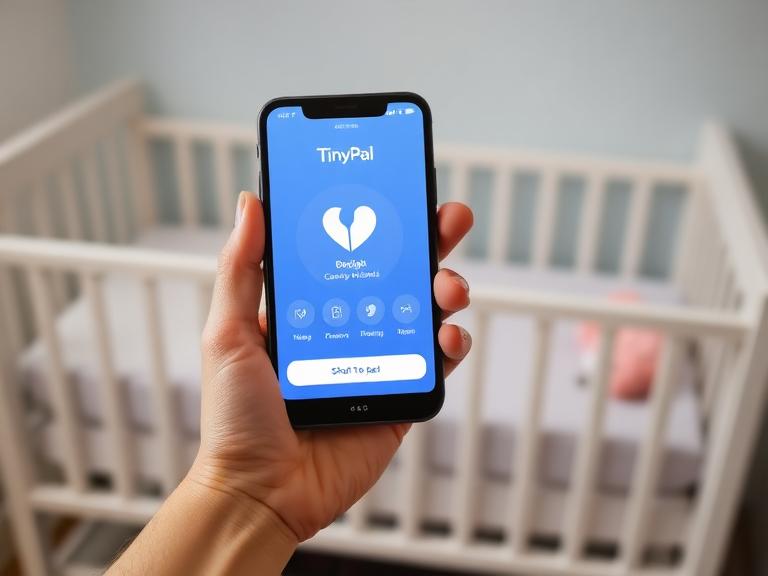
The solution is not to simply suppress the yell; it’s to replace it with an instant, effective, and calming script that addresses the root of the defiance. TinyPal is designed to provide this solution. Our science-backed guidance offers co-regulation strategies and three expert-written scripts that help you navigate child defiance without yelling, bringing immediate peace and long-term behavioral change to your home.
Before adopting new words, it’s crucial to understand the profound, counterproductive impact of shouting. Yelling does not teach; it only creates fear and anxiety, which ultimately fuels more defiance.
When you yell, your child’s brain, regardless of age, goes into a fear response.
- Amydgala Overload: Yelling triggers the child’s amygdala (the brain’s emotional core), releasing stress hormones like cortisol. The child is no longer listening to the words; they are only registering the volume and the threat.
- Modeling Conflict: Consistent yelling teaches the child that loud, aggressive communication is the appropriate way to handle frustration or disagreement.
- The Defiance Cycle: The child learns that they need to wait until you are yelling before they take action. This trains them to resist compliance until the parent is at their breaking point, creating a vicious, exhausting cycle.
To deal with child defiance without yelling, we must introduce language that bypasses the fear response and engages the child’s rational, cooperative mind.
The core of TinyPal’s strategy for reducing defiance without raising your voice is replacing the Yell Reflex with one of three immediate, situation-specific scripts. These are positive discipline alternatives to yelling that build cooperation instead of confrontation.

This script is for managing preventable, low-level defiance—the daily refusals over simple transitions and tasks. Defiance is often a child’s plea for control. By offering a choice, you meet that need while still achieving your goal.
- Situation: The child refuses to get dressed.
- The Yell Reflex: “Get dressed right now! We are leaving!” (Results in power struggle).
- The TinyPal Autonomy Script: “It’s time to get dressed. Do you want to wear the blue shirt or the yellow shirt? You choose.”
- Why it Works: This script gives the child a sense of autonomy (they choose the shirt) while maintaining the boundary (they must get dressed). It transforms the struggle from “Should I obey?” to “Which option do I prefer?”
This script is essential for de-escalating mid-level defiance—the arguments, back-talk, or clear refusal triggered by big feelings (frustration, tiredness). This is the key to co-regulation strategies.
- Situation: The child argues about the homework limit, saying, “You’re mean! Everyone else gets to play!”
- The Yell Reflex: “Don’t you talk to me like that! Go to your room!” (Shames the child and escalates anger).
- The TinyPal Connection Script: “I see you are really frustrated that the computer is off right now. It is hard to stop playing. We can try to play again tomorrow. I’m here to hug you now.”
- Why it Works: By validating their emotion first (“I see you are really frustrated”), you create a connection and drop the child’s defenses. Once the feeling is acknowledged, they are much more open to accepting the boundary and the calm follow-up.
This script is reserved for high-stakes defiance (safety issues, destruction, or repeated boundary violations) that require immediate, calm, and predictable consequences.
- Situation: The child throws a toy, breaking a rule about throwing things in the house.
- The Yell Reflex: “If you throw that one more time, I’m taking all your toys forever!” (Vague, emotional threat).
- The TinyPal Boundary Script: “You threw the toy, and that is not safe in the house. The rule is: If you throw a toy in the house, then that toy goes away for the rest of the day. You can choose a different, non-throwing activity now.”
- Why it Works: This approach focuses on logical consequences rather than punishment. The consequence is tied directly to the behavior and is delivered calmly. This teaches accountability, and because the consequence is predictable, it removes the parent’s anger from the equation, preventing the yelling cycle from ever starting.
The TinyPal app does not just provide the words; it provides the entire system to ensure you can stick to them, ensuring a sustainable reduction in daily fights and emotional stress at home.
The biggest trigger for yelling is inconsistency. When the parent has to remind, prompt, and fight over the same issue daily, burnout occurs.

- Predictability First: TinyPal’s AI Daily Routine Builder establishes a Visual Schedule System that the child follows. When the routine is the boss, the parent is no longer the constant enforcer, dramatically reducing the opportunity for defiance and the parent’s need to yell.
- Proactive Scripts: The app proactively presents the correct script 2 minutes before the expected flashpoint (e.g., the ‘Ready-Set-Go’ Transition script before screen time ends), ensuring you use the right words when you need them most.
TinyPal provides tools specifically for the adult, recognizing that the parent must co-regulate themselves first to avoid shouting.
- The Pause Button: An in-app “Panic Button” feature prompts the parent to take two deep, calming breaths (a co-regulation strategy) and immediately suggests a neutral “I need a moment” script to say to the child before responding, allowing the parent to regain composure.
- Behavioral Pattern Tracking: The app helps the parent identify the triggers (e.g., “Defiance is highest at 5:30 PM, right before dinner”). Knowledge is power, allowing the parent to pre-empt the behavior with a script instead of reacting with a yell.
You have the power to stop the yelling cycle today. It starts not with suppressing your frustration, but with arming yourself with the right words and the right system.
TinyPal provides the only science-backed solution that combines expert-vetted scripts, a powerful routine builder, and immediate parental co-regulation tools. This comprehensive approach is how parents learn how to deal with child defiance without yelling—transforming chaotic conflict into calm cooperation.
Ready to find your calm voice and end the yelling cycle forever?
[CTA Button: Start Your Calm Parenting Journey with TinyPal Today]
