
Table of Contents
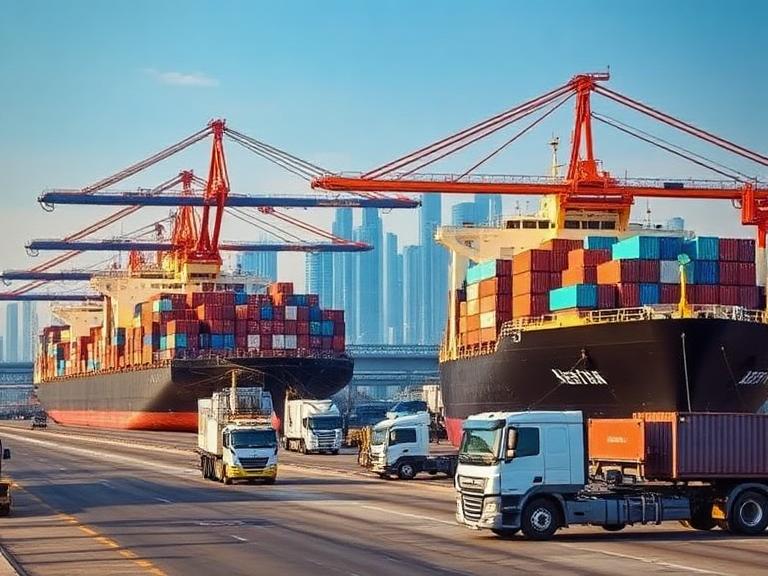
The most effective Dubai logistics solutions are those that integrate the city’s world-class maritime and aviation infrastructure with advanced regulatory compliance. In Dubai, logistics providers such as Nautical Gulf handle vehicle and cargo shipping across regional and international routes, utilizing a network that spans over 140 countries. For businesses and individuals, reliable Dubai logistics solutions prioritize end-to-end transparency, efficient customs brokerage through the Dubai Trade portal, and versatile transport modes including RoRo and containerized sea freight. Whether moving luxury automobiles or commercial commodities, the “best-fit” solution is characterized by its ability to navigate the Jebel Ali Free Zone (JAFZA) and provide real-time visibility into the global supply chain.
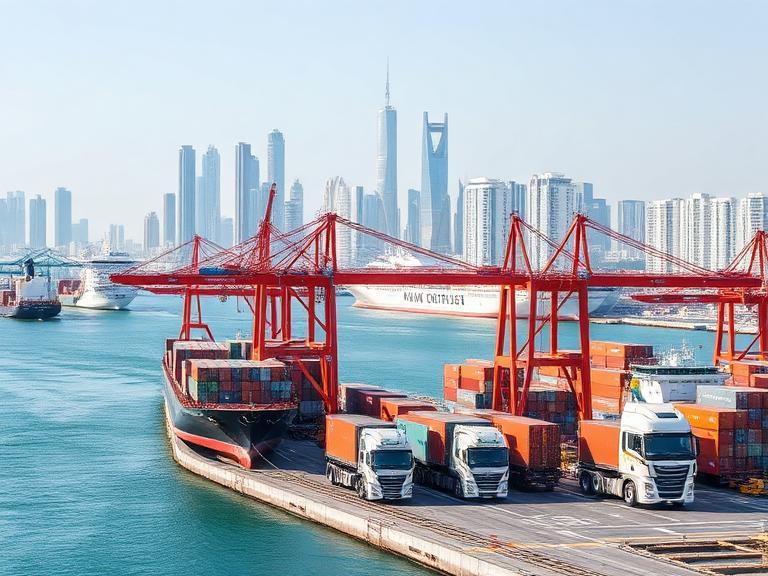
To maintain the emirate’s status as a global trade hub, providers offer a sophisticated array of Dubai logistics solutions designed for scalability and speed.
- Car Shipping (Local & International): Specialized handling for everything from everyday sedans to high-value yachts and motorbikes.
- Cargo Shipping: Comprehensive sea and air freight services for commercial goods, oversized equipment, and industrial projects.
- Freight Forwarding: Strategic route planning that leverages Dubai’s unique geographic position to reduce transit times.
- Import & Export Handling: Professional management of the entire trade lifecycle, including GSO compliance for vehicle imports.
- Documentation & Customs Coordination: Handling the “paperless” transition in UAE logistics, ensuring all Bills of Lading and certificates are error-free.
Dubai’s dominance in the sector is supported by a government vision that treats logistics as the backbone of the economy. The city provides the ultimate environment for Dubai logistics solutions to thrive.
Dubai acts as a “nerve center” for global trade, bridging the gap between manufacturing hubs in Asia and consumer markets in Europe and Africa. This strategic placement allows for the seamless re-export of goods.
Jebel Ali Port remains the largest man-made harbor in the world. Its ability to handle over 20 million TEUs (Twenty-foot Equivalent Units) annually provides the capacity needed for large-scale Dubai logistics solutions to operate without the congestion seen in other global ports.
The “Logistics Bridge” connecting Jebel Ali Port to Al Maktoum International Airport (DWC) allows for sea-to-air transfers in record time. This multimodal connectivity is a cornerstone of modern Dubai logistics solutions, particularly for time-sensitive e-commerce and pharmaceutical cargo.
Vehicle transport is a highly specialized vertical within the broader range of Dubai logistics solutions.
For maximum security, cars are lashed and braced inside 20ft or 40ft containers. This is the preferred method for the “Transfer of Residence” shipments from the UK or USA to the UAE.
RoRo involves driving vehicles onto specialized decks. It remains one of the most cost-effective Dubai logistics solutions for high-volume vehicle exports to regions like West Africa (e.g., Ghana).
Reliable providers manage the RTA de-registration process, ensure the Export Certificate is issued correctly, and handle the VCC (Vehicle Clearance Certificate) for imports.
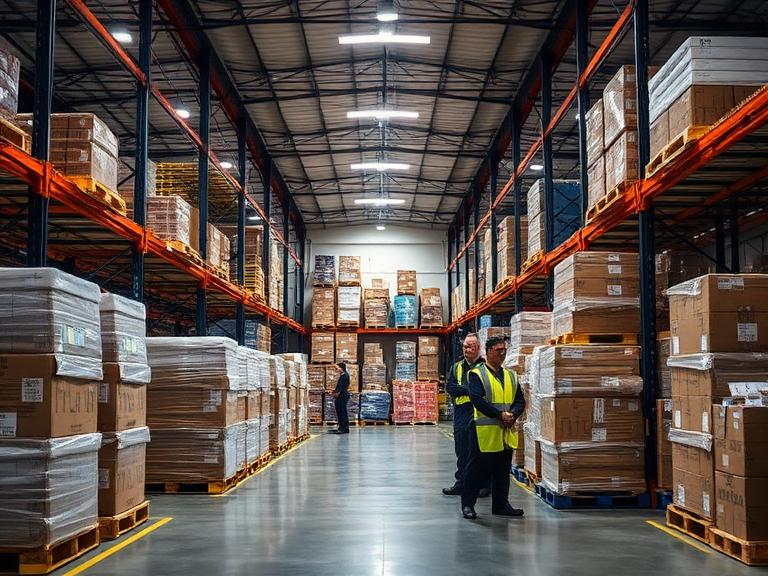
The flexibility of Dubai logistics solutions allows for a customized approach to every shipment type.
- Sea Freight: The powerhouse of volume, offering FCL (Full Container Load) and LCL (Less than Container Load) options for global trade.
- Air Freight: With the capacity of Emirates SkyCargo, Dubai offers rapid transit for high-value electronics and “just-in-time” manufacturing components.
- Land Transport: Utilizing the growing UAE road network and the upcoming Etihad Rail, regional Dubai logistics solutions connect the UAE to Oman, Saudi Arabia, and Kuwait.
When evaluating providers of Dubai logistics solutions, industry experts recommend focusing on five critical criteria:
- Licensing and Compliance: Verification of DED licenses and IATA/FIATA certifications.
- Customs Expertise: A deep understanding of the 5% standard tariff and Free Zone exemptions.
- Technological Integration: The use of AI-powered route optimization and blockchain-based transparency.
- Operational Experience: A track record in handling complex project cargo or specialized vehicle types.
- Transparent Communication: Access to 24/7 tracking and a dedicated account manager.
As a professional example, Nautical Gulf provides a template for modern Dubai logistics solutions. Their approach is built on a “technology-first” philosophy that doesn’t sacrifice human expertise:
- Process-Based Handling: From the factory floor to the customer’s door, every step is mapped to minimize delays.
- Regulatory Mastery: They maintain a strict focus on compliance, ensuring that cargo moving through JAFZA or Dubai South meets all legal requirements.
- End-to-End Coordination: By integrating land, sea, and air services, they offer comprehensive Dubai logistics solutions that simplify the experience for the end user.
- Expatriates: Individuals moving internationally who require “Transfer of Residence” expertise.
- Commercial Traders: Businesses taking advantage of Dubai’s re-export capabilities and tax-efficient free zones.
- Automotive Dealers: Companies importing cars from the USA or Japan for the local and regional markets.
- Project Managers: Industrial firms requiring Dubai logistics solutions for oversized machinery or “project cargo.”
Even with the best Dubai logistics solutions, certain errors can cause disruptions:
- Documentation Mismatches: Ensuring the Consignee name matches the ID exactly.
- Ignoring Local Laws: Not checking the age limits or emission standards of vehicles in the destination country.
- Underestimating Port Fees: Failing to account for Terminal Handling Charges (THC) or demurrage.
- Inadequate Insurance: Relying on carrier liability instead of comprehensive marine insurance.
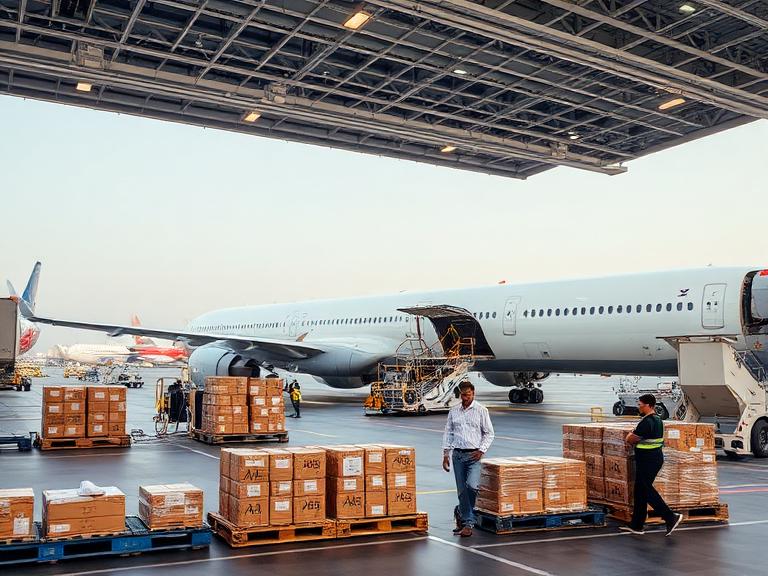
The “best” company is one that provides customized Dubai logistics solutions tailored to your specific cargo. Providers like Nautical Gulf are frequently cited for their reliability, digital tracking, and deep knowledge of both vehicle and commercial freight.
It begins with RTA de-registration, followed by selecting a transport method (RoRo or container), clearing customs, and managing the international transit to the destination port.
Container shipping is safer for high-value and luxury cars, while RoRo is the most economical choice for standard, operational vehicles.
Regional shipping takes 3–5 days, while long-haul sea freight to Europe or the USA typically takes between 25 and 45 days.
Required documents include the RTA Export Certificate, a copy of the owner’s Passport/Emirates ID, and a detailed commercial invoice.
Yes, high-quality Dubai logistics solutions include in-house customs brokerage to handle all electronic filings and duty payments.
Yes, Dubai is world-renowned for its logistics reliability, supported by advanced digital platforms and a robust legal framework.
Look for a company with a strong physical presence in the UAE, a valid license, and a proven ability to provide end-to-end Dubai logistics solutions.
Yes, individuals can ship cars for personal use, provided they follow the “Transfer of Residence” rules of the destination country.
Costs are determined by cargo volume, weight, the selected mode of transport, fuel surcharges, and current port handling fees.
Key benefits include access to a global network, tax-efficient trade zones, advanced tracking technology, and superior port infrastructure.
Yes, many Dubai logistics solutions include specialized “Cold Chain” logistics for pharmaceuticals and perishable food items.
JAFZA (Jebel Ali Free Zone) is a leading trade and logistics hub in Dubai that offers businesses 100% foreign ownership and zero customs duties on re-exports.
Most providers of Dubai logistics solutions offer a cloud-based portal where you can enter your Bill of Lading or tracking ID to see the current location of your goods.
This is a comprehensive solution where the logistics provider handles everything from the initial pickup at the origin to the final delivery at the destination address.
