
Table of Contents
International shipping involves multiple touchpoints, long transit times, and exposure to risks such as:
- Rough sea conditions
- Container mishandling
- Theft or pilferage
- Fire or accidents
- Port congestion
- Natural disasters
Despite modern logistics systems, cargo loss and damage still occur.
Yet many shippers assume:
“The shipping company is responsible.”
📌 This assumption is incorrect.
Cargo insurance is one of the most important but least understood elements in the global shipping process.
This guide explains cargo insurance from the ground up, so businesses can make informed shipping decisions.
Cargo insurance is a policy that provides financial protection against loss or damage to goods while they are being transported internationally.
It covers shipments moving via:
- Sea freight
- Air freight
- Road transport
- Multimodal logistics
📌 Cargo insurance protects the cargo owner, not the carrier.
International shipping involves shared responsibility, but limited liability.
- Carrier liability is legally limited
- Natural risks cannot be eliminated
- High-value cargo exposure
- Long-distance transit risk
- Multiple handling points
📌 Without insurance, losses are often partially compensated or not compensated at all.
- Damage due to rough handling
- Container collapse
- Water ingress
- Fire
- Loading/unloading damage
- Port accidents
- Theft
- Storms
- Floods
- Natural disasters
📌 Coverage depends on the policy type.
Cargo insurance does not automatically cover everything.
Common exclusions:
- Poor packaging
- Delay without physical damage
- War or strikes (unless added)
- Intentional misconduct
📌 Understanding exclusions is critical.
These are the most widely used standards.
- Broadest coverage
- Covers most physical losses
- Covers named risks
- Moderate protection
- Limited coverage
- Basic protection only
📌 ICC (A) is preferred for international shipping.
- Covers one shipment only
- Ideal for occasional shippers
- Covers multiple shipments over time
- Ideal for regular exporters/importers
Many shippers confuse the two.
- Limited by international conventions
- Based on weight, not cargo value
- Often insufficient
- Based on cargo value
- Covers broader risks
- Pays faster claims
📌 Carrier liability ≠ Cargo insurance.
Cargo insurance is arranged before cargo movement begins.
- Cargo valuation
- Insurance coverage selection
- Policy issuance
- Cargo dispatch
- Transit monitoring
- Claim (if required)
📌 Insurance must be active before shipment departure.
Cargo insurance value usually includes:
- Cost of goods
- Freight charges
- Insurance premium
- Markup (usually 10%)
📌 This ensures full financial recovery.
Incoterms define who arranges insurance.
- CIF: Seller provides insurance
- FOB: Buyer arranges insurance
- EXW: Buyer responsible
📌 Always confirm insurance responsibility clearly.
Sea freight carries higher risk exposure due to:
- Long transit time
- Weather conditions
- Multiple ports
- Container damage
- Water damage
- General average
📌 Sea freight insurance is strongly recommended even for low-value cargo.
General average is a maritime principle where all cargo owners share losses caused to save a vessel.
If cargo is deliberately jettisoned to save the ship:
- All cargo owners contribute
📌 Cargo insurance covers general average contributions.
- Faster transit
- Lower risk than sea
- Still exposed to handling damage
📌 Insurance remains essential for high-value shipments.
❌ Assuming freight charges include insurance
❌ Under-declaring cargo value
❌ Ignoring exclusions
❌ Late insurance purchase
❌ Poor documentation
📌 These mistakes lead to rejected claims.
- Notify insurer immediately
- Document damage with photos
- Submit shipping documents
- Surveyor inspection
- Claim settlement
📌 Timely reporting is critical.
- Simple claims: 2–4 weeks
- Complex claims: 1–3 months
📌 Proper documentation speeds up settlements.
Cargo insurance is cost-effective.
- 0.3% – 0.6% of cargo value
📌 Small cost compared to potential loss.
✔ High-value goods
✔ Fragile cargo
✔ Long sea routes
✔ First-time shipments
✔ Project cargo
Professional freight forwarders help with:
- Risk assessment
- Policy selection
- Correct valuation
- Claim coordination
This ensures end-to-end protection.
Dubai is a major shipping hub with:
- Sea freight
- Air freight
- Multimodal logistics
For international shipping with proper cargo insurance guidance, businesses rely on experienced logistics partners.
Nautical Gulf supports:
- Sea freight shipments
- Cargo insurance coordination
- Global trade logistics
- End-to-end shipping solutions
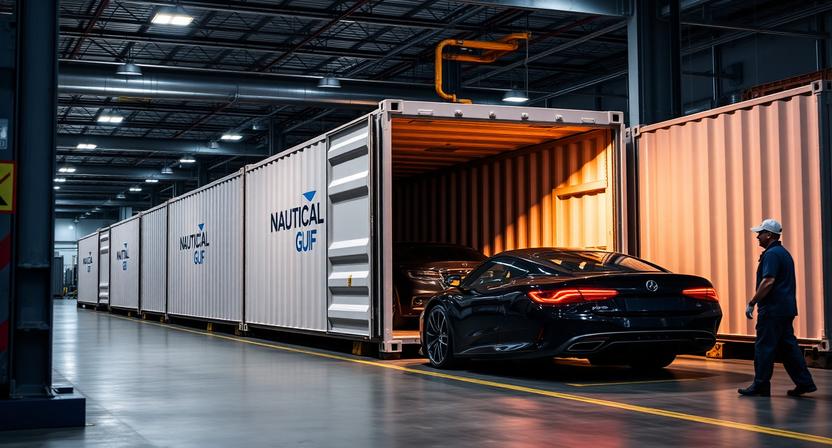
Cargo insurance is not an optional add-on — it is a core element of responsible shipping.
✔ Protects financial interests
✔ Covers unavoidable risks
✔ Complements carrier liability
✔ Supports smooth international trade
📌 Smart shippers insure every international shipment.
