
Table of Contents
Parenting is no longer linear, routine-based, or predictable.
- Parents work flexible schedules
- Screens replaced parks
- Sleep cycles fluctuate
- Food patterns are irregular
- Socialization is digital-first
Yet a child’s brain still grows on:
- Predictability
- Repetition
- Emotional rhythm
- Social signals
AI Pattern Prediction steps in not to parent the child, but to decode invisible behavioural triggers and assist parents in maintaining a stable emotional ecosystem.
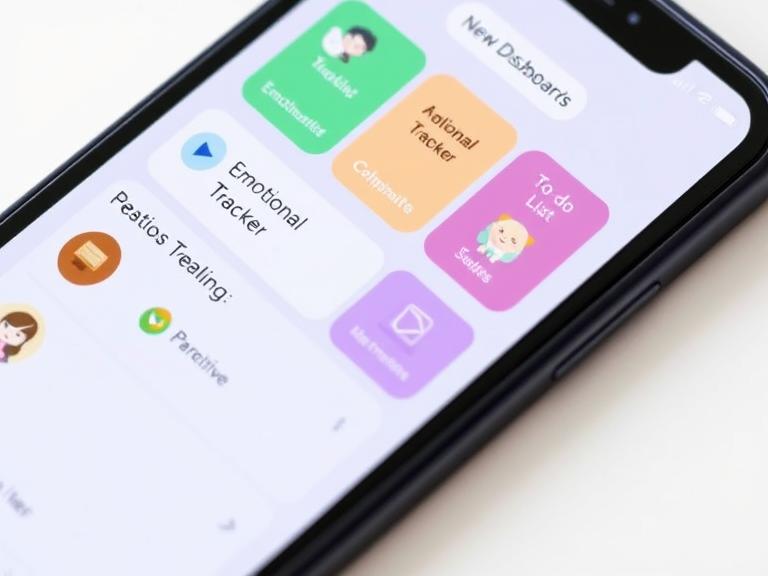
This is the first generation of AI that doesn’t just monitor children, but forecasts their emotional + behavioral reactions.
It is machine learning behavior analysis that studies:
| Data Layer | Prediction Outcome |
|---|---|
| Sleep duration | Mood stability next morning |
| Screen timing | Social withdrawal prediction |
| Peer interactions | Classroom confidence impact |
| Sugar intake | Hyperactivity probability |
| Routine change | Separation anxiety likelihood |
AI doesn’t label a child.
AI maps patterns to help parents avoid unnecessary emotional shocks.
Children rarely say their internal discomfort.
They show it by:
- Sudden crankiness
- Avoiding parents
- Clinging unusually
- Dropping appetite
- Silent breakdowns
- Loud overreaction
- Sleep refusal
AI behavioral forecasting helps adults see what the child cannot verbalize yet.
AI observes:
- When child sleeps
- Quality of sleep
- Duration of REM vs Light Sleep
Then predicts:
“Tomorrow morning energy dips likely. Recommend slower school start routine.”
AI tracks:
- Loud environments
- New faces interactions
- School event fatigue
Predicts:
“Child likely needs emotional decompression window post-event.”
AI identifies what caused yesterday’s meltdown by mapping:
- Sugar intake before 6 PM
- Screen exposure > 2 hrs
- Argument heard between adults
Patterns repeated → predictability increased.
| Category | What AI Looks For |
|---|---|
| Emotional | Cry cycles, irritability |
| Sleep | Bedtime deviation patterns |
| Screen | Overstimulated neural response |
| Diet | Gut-brain imbalance spike |
| School | Social pressure tolerance |
| Environment | Noise interaction overload |
Behavior is never random.
It is a neural response consistency loop.
- “Meltdown Probability Alerts”
- “Low Energy Forecast”
- “Sensitivity Overload Warning”
- “Social Withdrawal Signal”
- “Mood Rebound Window”
Parents don’t guess anymore.
They prepare.

When parents pre-adjust:
- No sudden wake-ups
- No abrupt schedule shocks
- No forced socialization
Child experiences:
- Calm emotional breathing space
- Gradual adaptation
- Self-regulation maturity
The nervous system stays unthreatened.
AI detected:
- High peer interaction
- Low lunch calories
- Heat exposure
Prediction:
“Offer 30 minutes quiet play before homework.”
Meltdown avoided.
AI signals:
- Bedtime 2.5 hrs late
- Screen binge spike
Prediction:
“Do not push Monday early wake. Gradual reset recommended.”
Child attends school stable, not shocked.
High decibel + multiple relatives:
AI predicts:
“Child likely needs silent decompression next morning, don’t schedule tutoring.”
No anxiety ripple effect.
When children feel:
- Safe transitions
- Stable emotional reactions
- Predictable responses
Their nervous system builds:
- Secure Attachment Blueprint
AI prediction ensures parents show up regulated, not reactive.
- Forcing routine like a strict military system
- Protecting emotional equilibrium through insight
AI isn’t a parenting dictator.
It is a child-regulation assistant.
- Screen → too late to slow down overstimulation
- Sugar → meltdown not connected logically
- Sleep shift → ignored as “normal tiredness”
AI closes interpretation gap.
Parents learn not just what happened but why.
TinyPal’s AI modules include:
- Dynamic Sleep Rhythm Mapping
- Mood-Swing Predictive Reporting
- Social Overstimulation Alert
- Food-Allergy Impact Model
- School Stress Trigger Index
It remains:
- Humanized
- Privacy compliant
- Non-judgmental
- Non-intrusive
Parents stay in control.
AI stays in observation.

| Outcome | Child Result |
|---|---|
| Nervous system steadiness | Less panic, more adaptation |
| Sleep alignment | Emotional strength |
| Reduced over-exposure | Lower anxiety markers |
| Informed social pacing | Confident interaction |
| Dietary rhythm | Balanced energy |
Childhood becomes regulated, not reactive.
Behavior doesn’t misfire randomly.
It builds in patterns.
AI Parenting Pattern Prediction helps parents see before storms arrive:
- Understand cues
- Read triggers
- Plan soft transitions
- Protect emotional bandwidth
Predictability nurtures psychological safety, and psychological safety forms whole, confident children.
