
Table of Contents
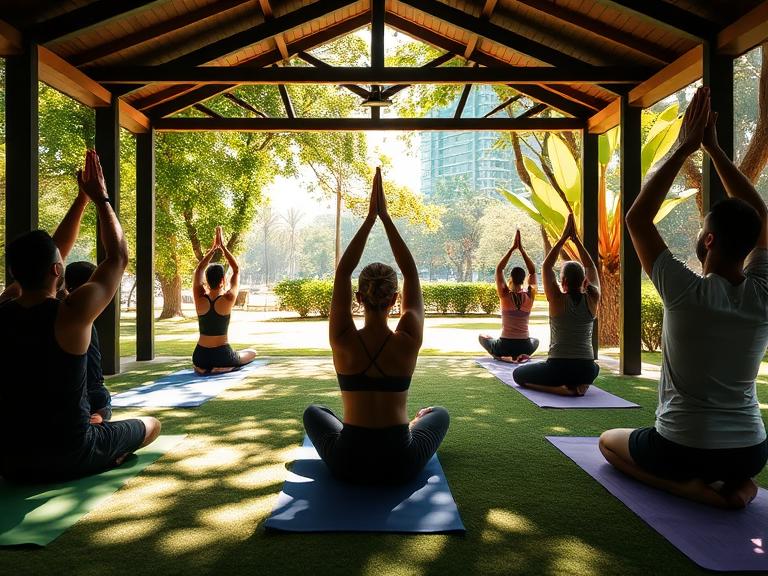
Outdoor yoga classes are redefining how people approach fitness, wellness, and mental health. Across the world, practitioners are stepping out of enclosed studios and embracing yoga in natural, open-air environments that promote deeper breathing, mindfulness, and sustainable well-being.
This guide explains what outdoor yoga class is, why they work better, who they are best for, how much they cost, and how to choose the right outdoor yoga program.
If you’re serious about long-term health—not just temporary fitness—outdoor yoga deserves your attention.

Outdoor yoga class is professionally guided yoga sessions conducted in open, natural or semi-natural spaces instead of closed studios.
Common outdoor yoga locations include:
- Parks and gardens
- Beachside areas
- Open community grounds
- Terraces and courtyards
- Quiet outdoor zones within cities
Unlike casual stretching outdoors, structured outdoor yoga classes follow:
- Proper warm-up sequences
- Asanas (postures)
- Pranayama (breathing techniques)
- Meditation or relaxation
All while allowing the body to interact with fresh air, natural light, and open space.
The global shift toward outdoor yoga is not a trend—it’s a response to modern lifestyle problems.
Key reasons for the rise of outdoor yoga class:
- Increased screen time and indoor living
- Higher stress and anxiety levels
- Poor air circulation in enclosed spaces
- Demand for holistic wellness, not gym-style fitness
Practicing yoga outdoors aligns the body with circadian rhythms, improving sleep, focus, and emotional stability.
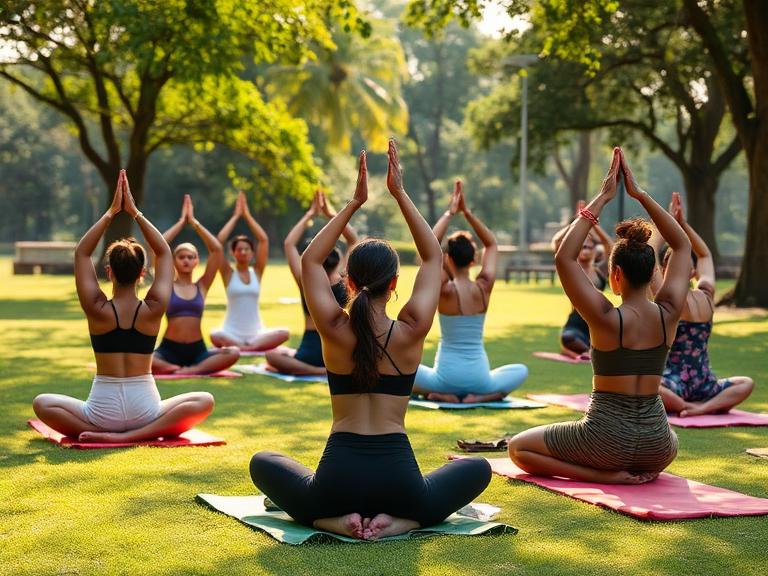
Fresh air allows the lungs to expand fully during pranayama, improving oxygen intake and lung capacity.
Natural environments reduce cortisol levels more effectively than indoor spaces.
Outdoor yoga enhances mindfulness by engaging the senses—sound, light, and space.
People are more likely to stick with yoga when sessions feel refreshing rather than repetitive.
Sunlight exposure supports vitamin D production, essential for immunity and bone health.
| Aspect | Outdoor Yoga Classes | Indoor Yoga Classes |
|---|---|---|
| Air Quality | Natural & fresh | Artificial ventilation |
| Mental Impact | High | Moderate |
| Stress Relief | Very high | Medium |
| Space | Open & expansive | Limited |
| Energy Flow | Natural | Restricted |
Outdoor yoga delivers holistic benefits, not just physical flexibility.
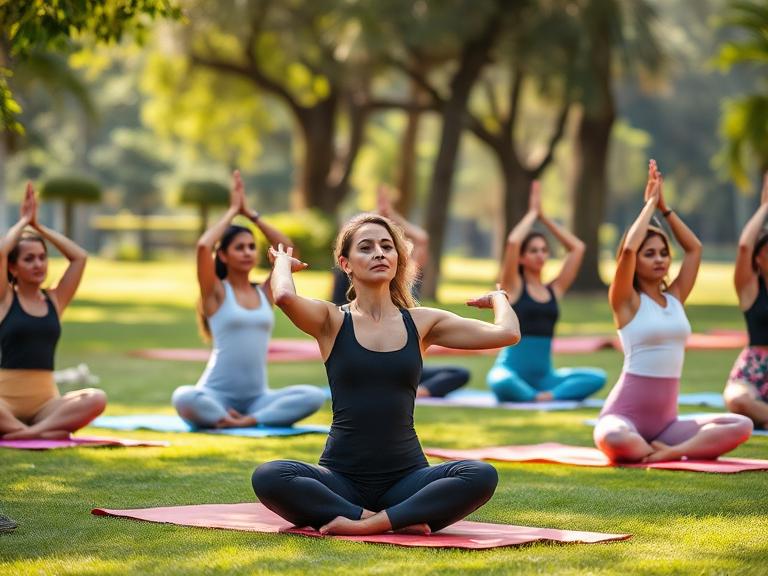
Outdoor yoga is suitable for almost everyone, including:
- Beginners with no yoga experience
- Working professionals with stress issues
- Women seeking hormonal balance
- Seniors needing gentle mobility
- Students managing anxiety
- People recovering from burnout
Because outdoor yoga reduces performance pressure, it is especially beginner-friendly.
Yes—when conducted professionally.
A well-structured outdoor yoga class includes:
- Certified instructors
- Safe, clean locations
- Weather-aware scheduling
- Modified postures for different age groups
Avoid unstructured sessions without professional supervision, as improper postures can lead to injuries.
Women often prefer outdoor yoga class because they support:
- Hormonal balance
- Stress management
- Weight regulation
- Emotional well-being
Many programs offer women-only outdoor yoga batches, creating a comfortable and supportive environment.
Beginners benefit significantly from outdoor yoga because:
- Breathing feels more natural
- Body relaxes faster
- Learning pace is gentler
- Fear of judgment is reduced
Outdoor settings help beginners connect with yoga as a lifestyle, not a performance.
Outdoor yoga class is usually priced slightly higher than indoor classes due to:
- Smaller batch sizes
- Location management
- Instructor attention
Average fees (monthly):
- Group outdoor yoga: ₹2,000 – ₹4,000
- Ladies-only batches: ₹2,200 – ₹3,500
- Personalized outdoor yoga: ₹4,000 – ₹6,000
The value lies in quality of experience, not just cost.
Before enrolling, evaluate these factors:
- Instructor certification & experience
- Batch size (smaller = better correction)
- Location accessibility
- Session structure & progression
- Trial class availability
- Clear fee transparency
Avoid programs that overcrowd batches or skip posture correction.
Unstructured outdoor sessions can cause:
- Incorrect alignment
- Inconsistent practice
- Reduced results
A professionally managed outdoor yoga program ensures:
- Safe progression
- Holistic development
- Sustainable habit formation
Institutes that follow structured outdoor yoga systems deliver long-term transformation, not short-term motivation.
Unlike gyms or short-term fitness programs, outdoor yoga:
- Improves physical health
- Stabilizes emotions
- Enhances focus
- Builds discipline
It integrates seamlessly into daily life, making it one of the most sustainable wellness practices available today.
For readers looking to explore professionally structured outdoor yoga class with location-based programs, one established reference point is:
https://outdooryogachennai.com/
They are known for:
- Location-specific outdoor yoga class
- Certified instructors
- Beginner-friendly programs
- Transparent fee structures
This makes them a useful benchmark when evaluating outdoor yoga standards.
If your goal is:
- Mental calm
- Physical balance
- Stress reduction
- Long-term wellness
Then outdoor yoga class is one of the most effective and natural ways to achieve it.
They reconnect the body with breath, movement, and environment—exactly how yoga was originally intended to be practiced.
